Invasive Species Threatening Lough Neagh

The Growing Risk to Our Ecosystem and Economy

Lough Neagh, the largest freshwater lough in the UK and Ireland, is already under threat from zebra mussels (Dreissena polymorpha), which have had some negative impacts on the ecosystem.

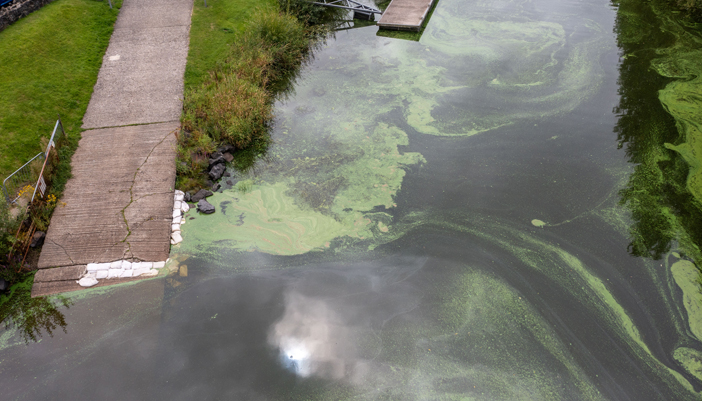
Their spread has been one of the contributing factors to the algal blooms seen in the Lough. Now, quagga mussels and the Asian clam are a growing concern, with the potential to worsen these impacts. Preventing further infestations is critical to protecting Lough Neagh’s biodiversity, water quality, and local industries.
blue-green-algae

Zebra mussels - An Established Threat

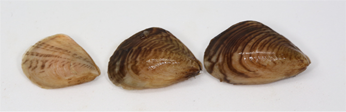
What Are Zebra mussels?

  • Origin: Eastern Europe
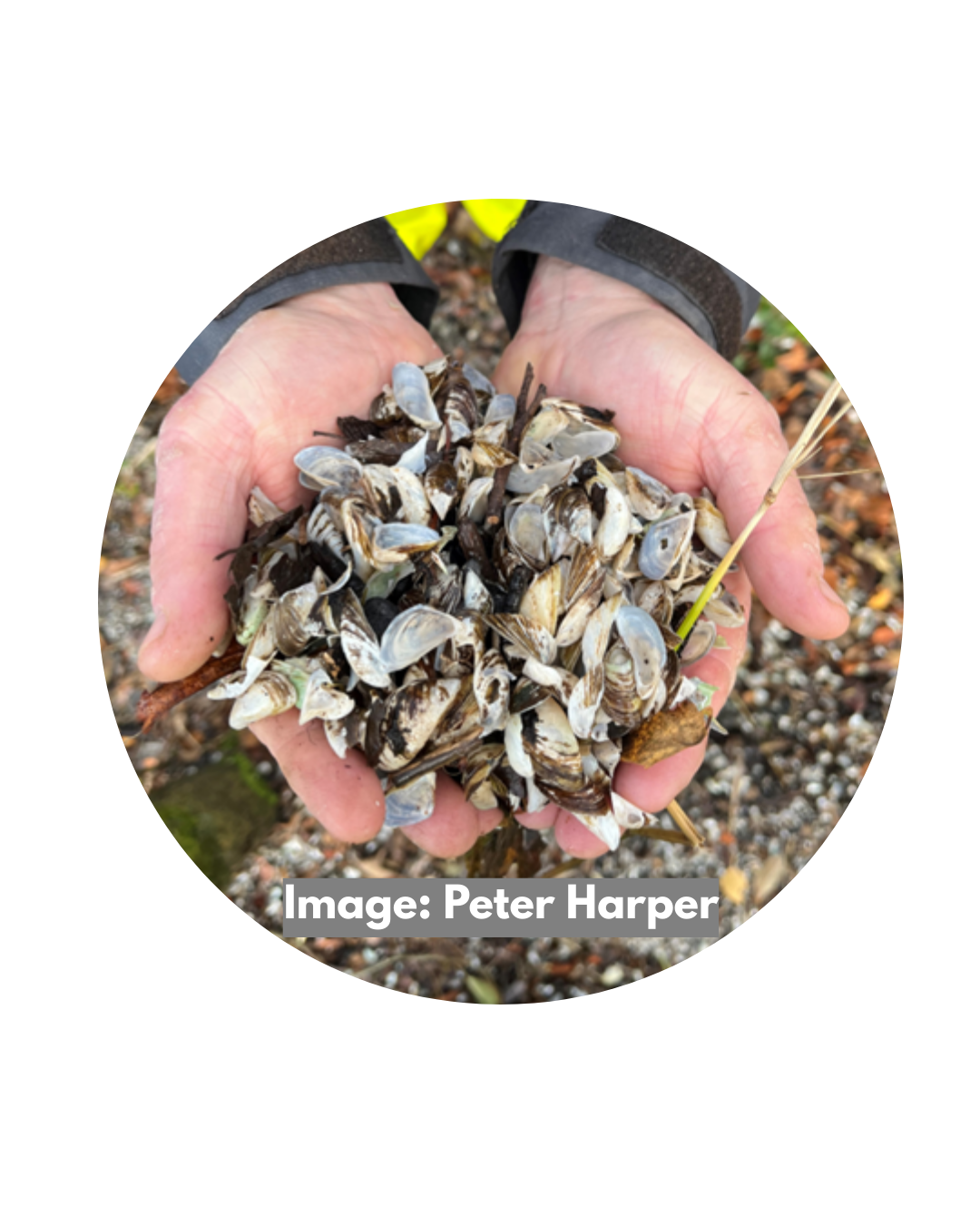
  • Appearance: Small, thumbnail-sized mussels with distinctive black-and-white striped shells.
  • Introduction to Lough Neagh: Likely brought in through contaminated boats or fishing equipment.

Impact on Lough Neagh

  • Ecosystem Disruption: Outcompete native mussels, leading to reduced biodiversity.
  • Water Quality Issues: Filter vast amounts of water, removing plankton and disrupting the food chain, which affects fish population.
  • Algal Blooms: Alongside other factors such as excess nutrients and rising water temperatures, zebra mussels contribute to algal blooms by increasing water clarity, allowing more sunlight to penetrate and promote excessive algae growth, including harmful blue-green algae.
  • Impact on Fishing and Recreation: Reduce fish populations and create hazards for swimmers and beachgoers due to their sharp shells.

Preventing the Spread of Aquatic Invasive Species

Don’t forget, if you are using any equipment on Lough Neagh that you previously used on another water body, please make sure that you have CHECKED, CLEANED AND DRIED!!

check-clean-dry

CHECK boats, jet skis, fishing gear, and other equipment after use for any mud, aquatic animals, plant material or mussels adhering. Empty all water from boats, outboards and equipment and leave at water body (still freshwater sites – saltwater and fast flowing sites have different requirements).

CLEAN boats, jet skis, fishing gear, and other equipment thoroughly after use to remove any mussels, larvae or plant material, paying attention to areas that are damp or hard to access; use hot water if possible.

DRY – Allow all equipment to dry completely, as mussel larvae and weed fragments can survive for several weeks in damp conditions.

Emerging Concerns

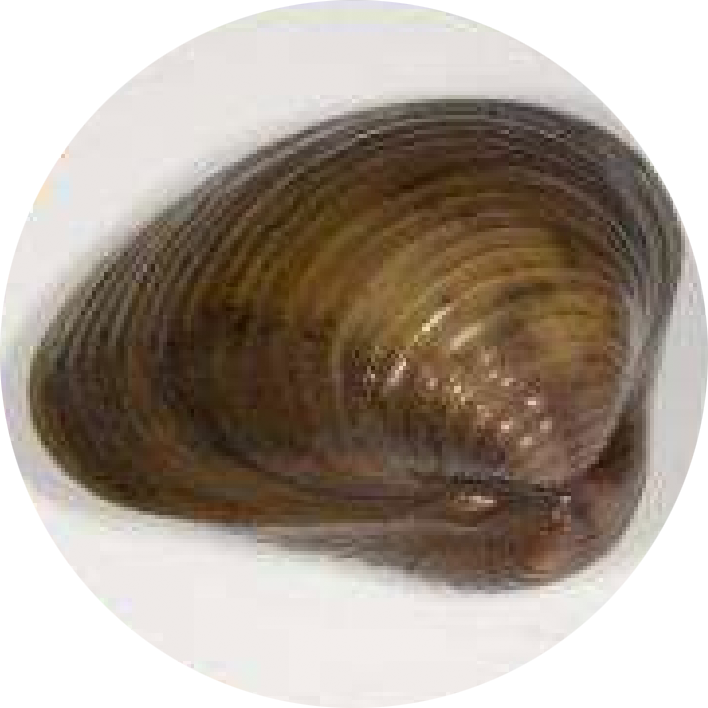
Asian Clam

asian-clam

Scientific name: Corbicula fluminea Origin: Originated in China, Korea and the Ussuri Basin in eastern Russia

Appearance: Up to 25-50mm long yellowish brown to black shell with concentric, evenly spaced ridges on the shell surface

Potential Threats: >

Habitat versatility: Can displace or clog the spawning grounds of native species

Ecosystem Impact: Where they are established, the Asian clam can occur in very high densities (several 1000/m2)

Economic costs: Water abstraction for household use may be faced with higher costs due to the clogging of intake pipes by this species and they can also negatively impact on sand/gravel abstraction

Quagga Mussels

quagga

Scientific Name: Dreissena rostriformis bugensis

Origin: Ponto-Caspian region (Black and Caspian Seas)

Appearance: Similar to zebra mussels but can grow larger, with a more rounded shell

Potential Threats: >

Habitat Versatility: Can colonise a variety of surfaces, including soft sediments, unlike zebra Mussels

Ecosystem Impact: More efficient at filtering plankton, further disrupting the food web

Economic Costs: Can colonise water infrastructure, leading to costly maintenance and repairs, while also impacting recreational activities and fishing

Report Sightings

If you have any questions or queries more information can be found on the Invasive Species NI website.

Contact: The Invasive Non-Native Species (INNS) Team at the Northern Ireland Environment Agency.

Phone: 028 9056 9558
Email: invasivespecies@daera-ni.gov.uk
Website: www.invasivespeciesni.co.uk/report-sighting

The most efficient way to report any invasive species sightings is via:
CEDaR online: www2.habitas.org.uk/records/isi
iRecord online: https://irecord.org.uk/
iRecord App: https://irecord.org.uk/app